
Projects
Critical Race Psychology (CRP)
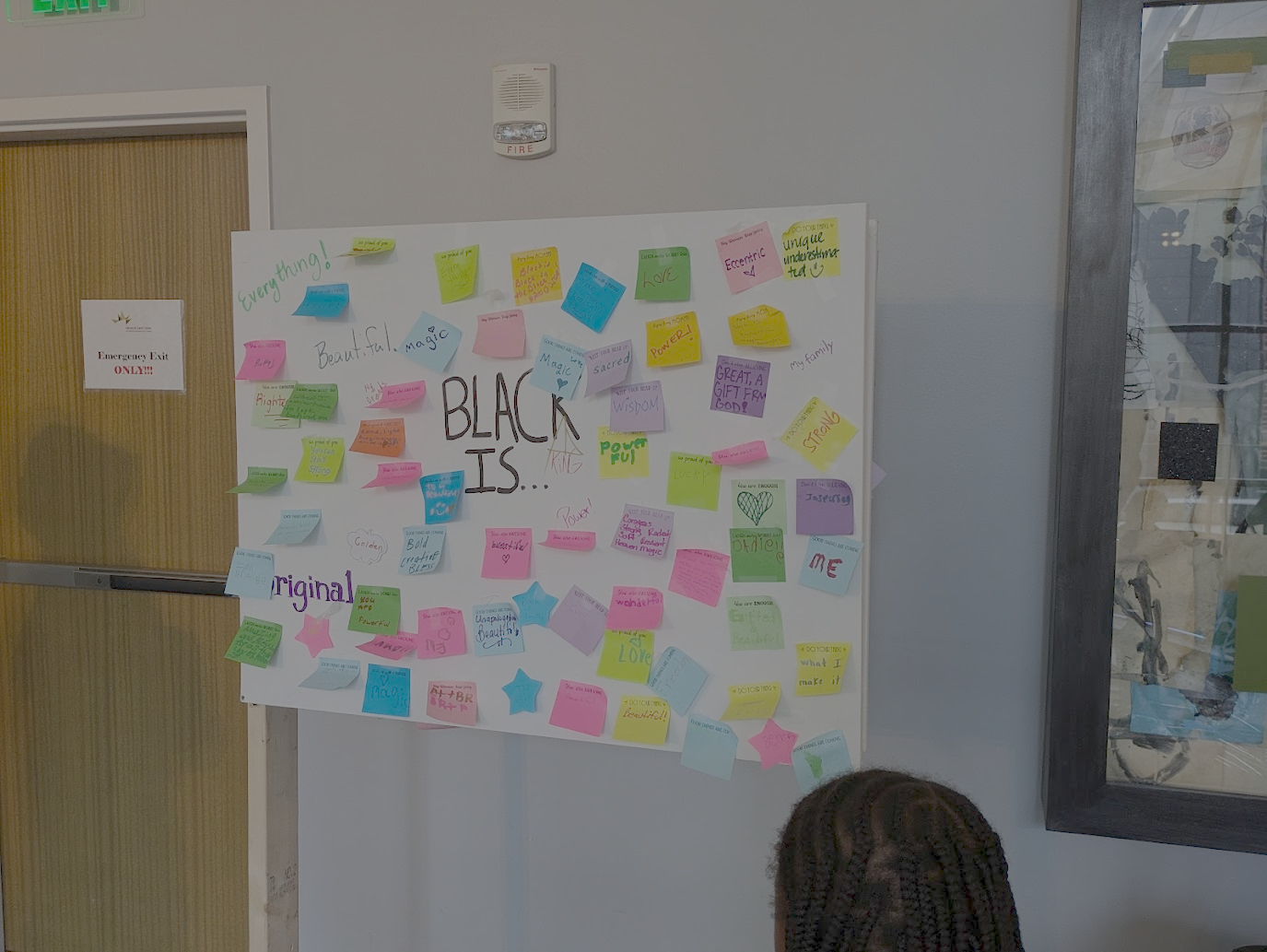
CRT scholarship typically engages one or more aspects of six core ideas about how racism manifests in US society: (1) racism is a systemic force embedded in society; (2) neoliberal narratives of individualism, colorblindness, choice, and meritocracy are tools that reproduce racism in society; (3) the voices and lived experiences of People of Color and the practice of counter-storytelling are tools for deconstructing racism; (4) interest convergence (e.g., Bell, 1980), or how broad-based support of civil rights for People of Color stalls unless it aligns with dominant group interests; (5) racial hierarchies are a social invention with purpose that confers benefits to members of the dominant group; and/or (6) experiences of oppression are intersectional.
SPARCL currently focuses on the first three tenets. Below are some of our CRP Projects:
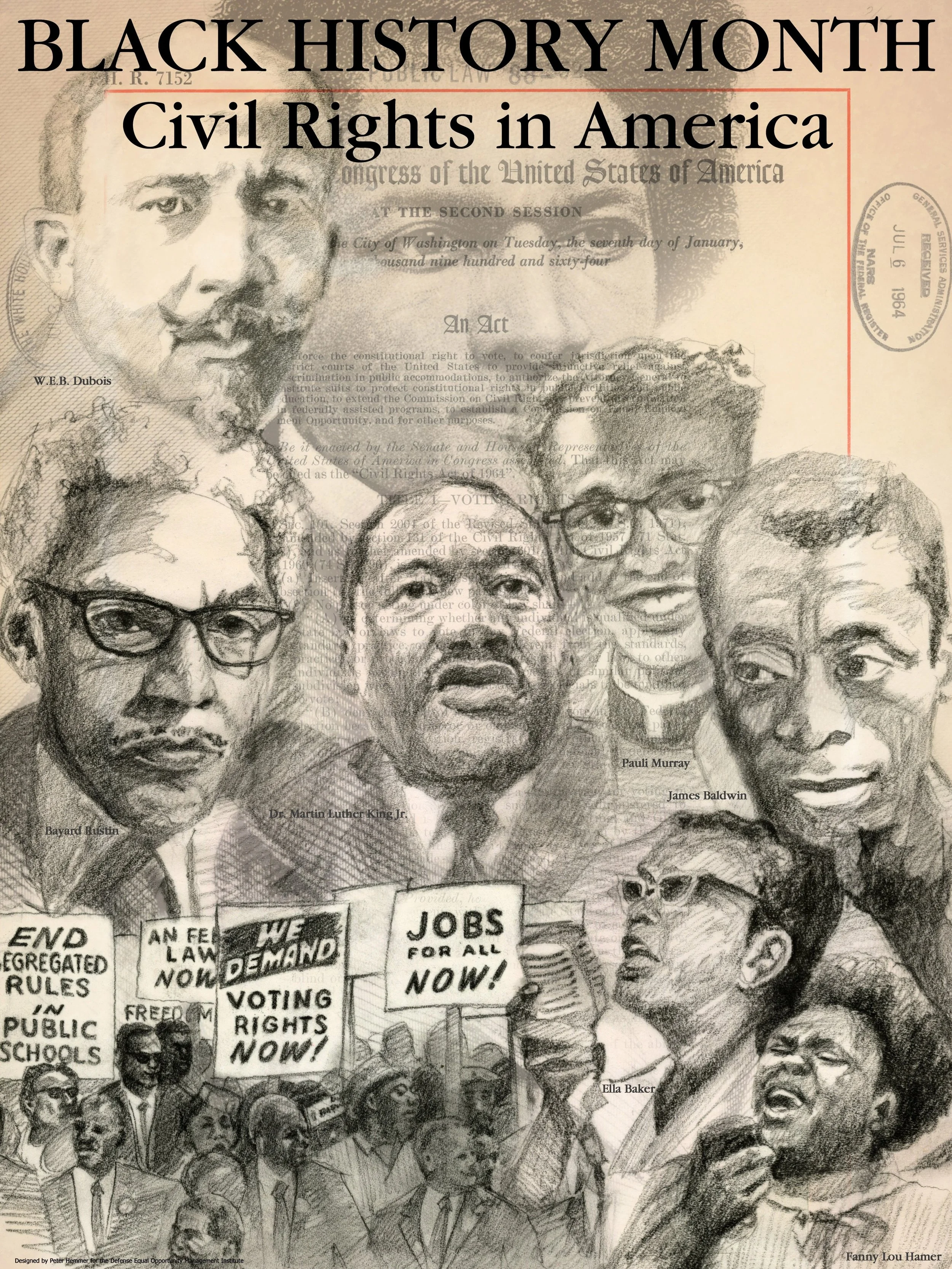
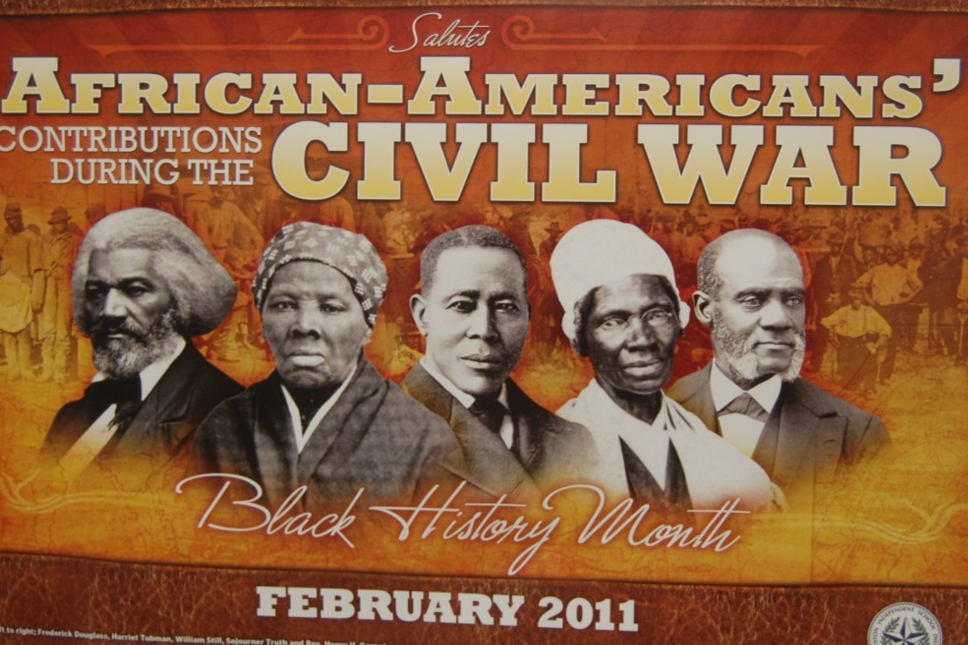
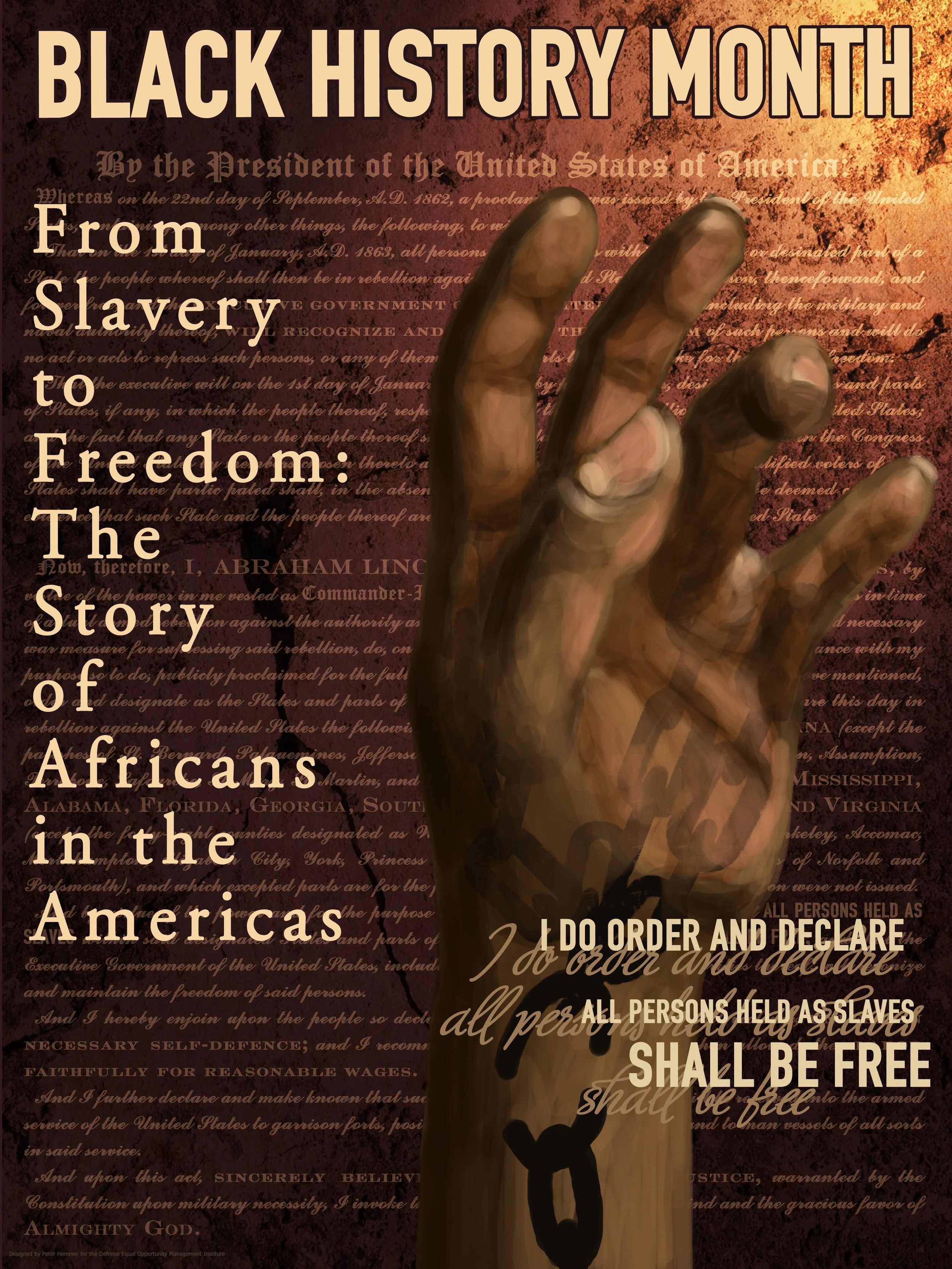
Critical Histories as Counter-storytelling
Lay-beliefs about racialized health disparities in COVID-19
“Race neutral” narratives (i.e., personal responsibility, colorblindness) and perceptions and denial of racial inequality
History & Collective Memory
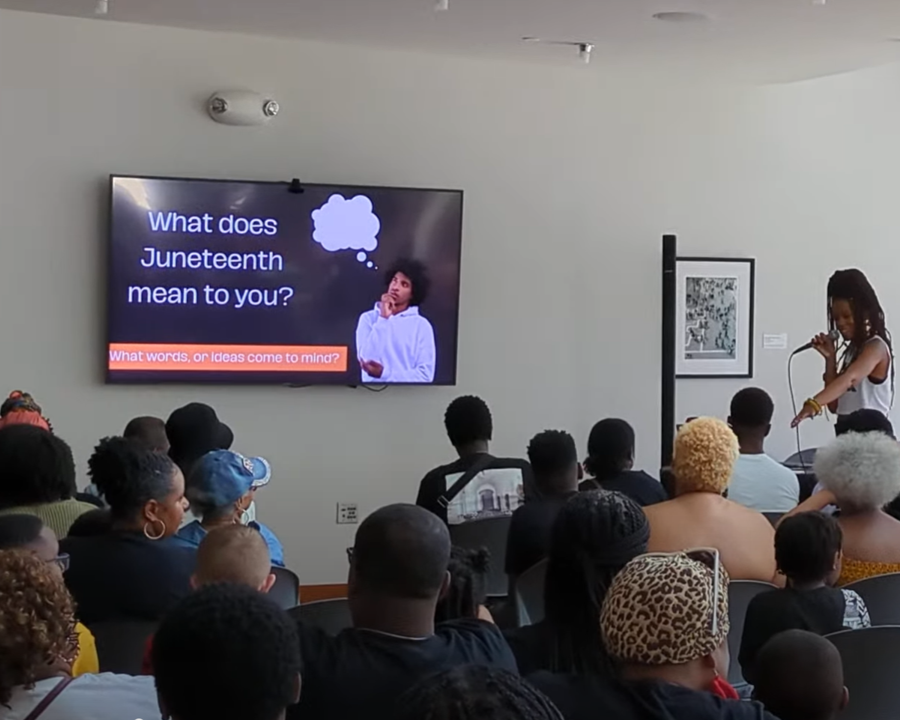
SPARCL’s approach to collective memory is informed by both Critical Race and Cultural Psychology frameworks. We are interested in the relationships between shared meaning and understanding of past events and racism-relevant outcomes. Current projects related to historical knowledge and collective memory include:
Belonging, Self, and Identity at Cultural Sites of Critical History (e.g., museums, schools)
Cultural and ethnic group differences in perceptions of important historical events
The Marley Hypothesis and Perceptions of Racism
Cultural Psychology
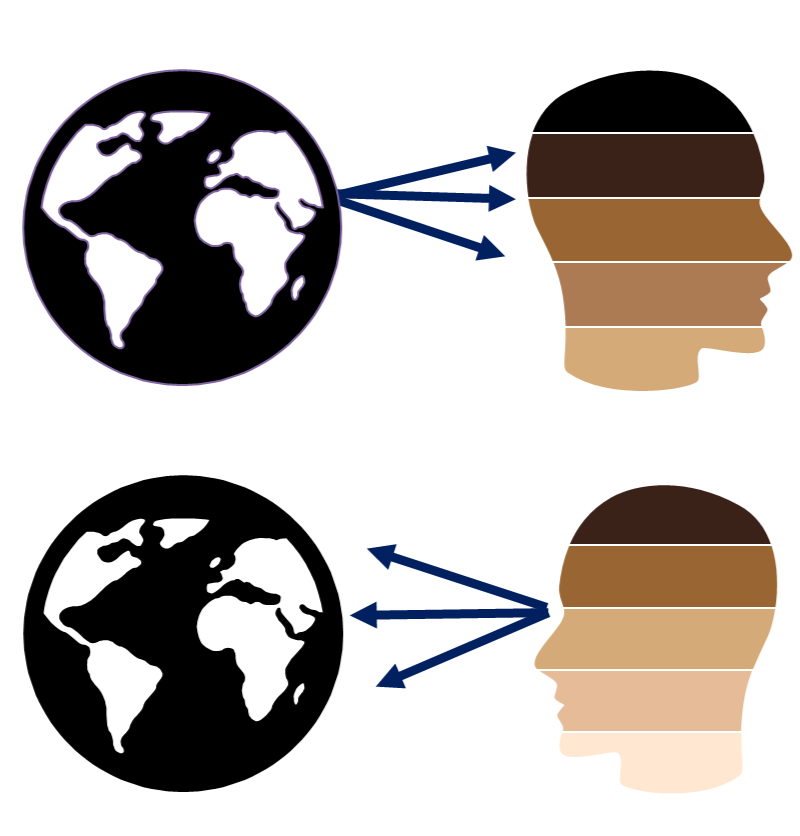
SPARCL considers a variety of psychological phenomenon from a cultural-psychological perspective, examining the following topics both “in the mind” (e.g., thoughts, beliefs, attitudes) and “in the world” (e.g., cultural products, institutions, cultural norms and practices): self and identity, collective memory, intergroup relations, racism perception, and collection action. Below are some of the research projects that SPARCL is exploring through the lens of cultural psychology:
Cultural Psychology of Juneteenth Commemorations
Identity label preferences and what it means to be Black among Americans of African descent
Apologies in racial context